

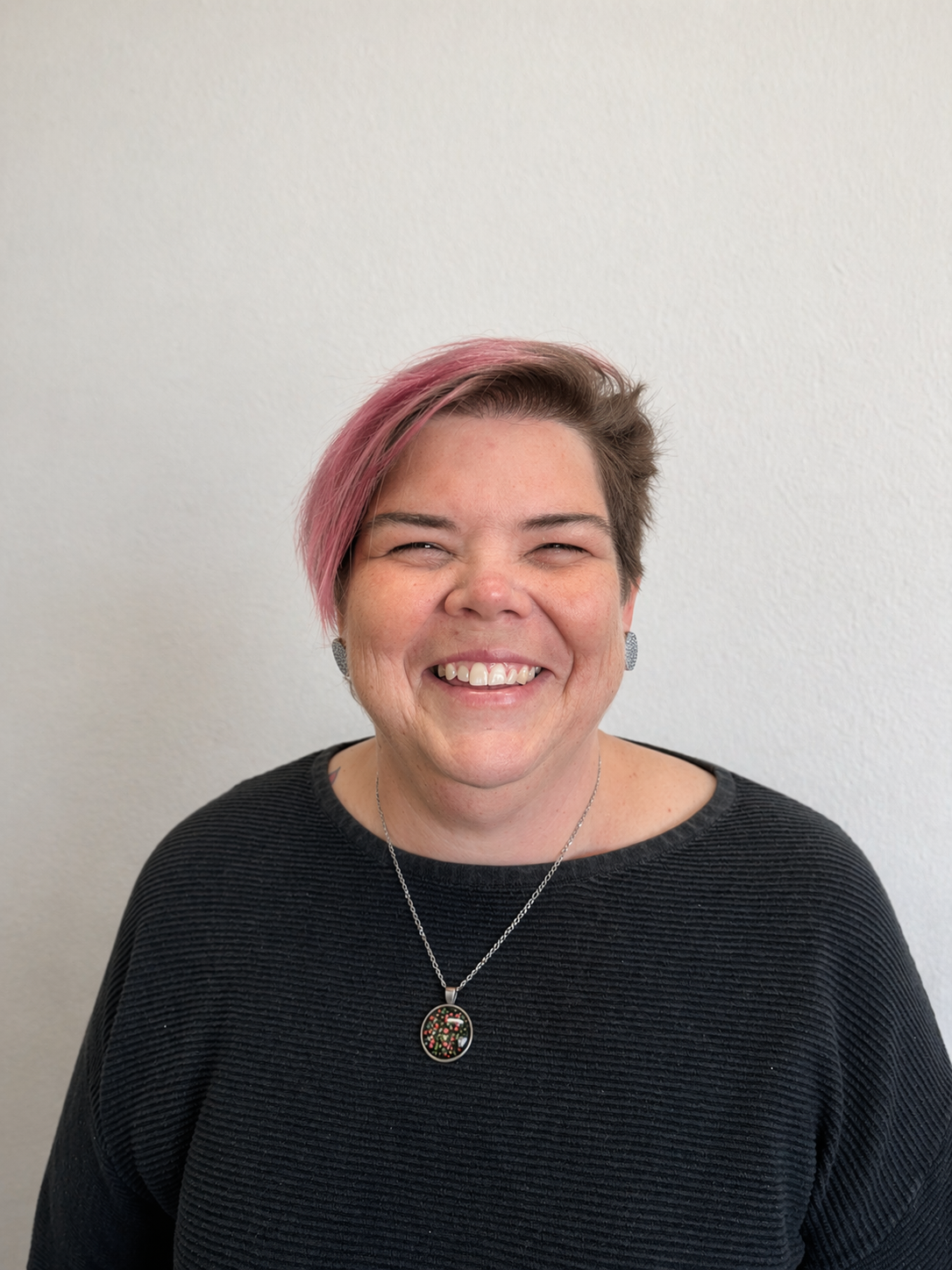
Melissa Boylan (she/her)
Registered Psychologist
B Psych (Hons); MAPS
Works with children and young people up to age 12 and their families, offering a warm, play-based, and neurodiversity-affirming approach to therapy.
Melissa has particular interests in childhood mental health, emotional regulation, developmental concerns, trauma, attachment, and supporting neurodivergent children and the important people around them.
About Melissa
Melissa is a warm, empathetic psychologist with a passion for supporting children, young people and their families. She has over a decade's experience, primarily in the not for profit sector, where she has been employed in roles including youth work, parenting support, supporting young children in child care centres and counselling psychology.
Melissa works with children and young people up to age 12 and their families. Melissa works across general mental health presentations and also has particular interests in supporting neurodivergent children, developmental delays, challenging behaviour, emotional regulation, trauma and attachment issues.
Melissa offers both talk and play based therapies. She believes that younger children learn best through play and uses a child led, play based approach to support the development of social and emotional skills; whilst simultaneously supporting the adults in their lives to better understand and attend to their needs. Melissa is a neuro affirming practitioner and works with children and significant people in their lives to better understand how their brains work and affirm their neurodivergent identity.
Melissa offers kindy and school visits within 30 minutes of the clinic.
Works with
Children and young people up to age 12, and their families
Offers
Therapy
Appointments
Alternate Mondays
Tuesday and Friday
In-person and telehealth
Approach
Talk and play-based, child-led, neurodiversity-affirming
Areas of interest
Childhood mental health, neurodivergence, developmental delays, emotional regulation, trauma, attachment, challenging behaviour